
As outdoorsman, especially duck hunters and fisherman we love to talk about conservation.
We all are part of conservation groups like Coastal Conservation Association, Delta Waterfowl, Ducks Unlimited, Captains for Clean Water, or a whole host of other organizations that focus on conserving the animals we love.
Heck, even our purchases of outdoor gear go to funding conservation efforts since the enactment of the Pittman-Robertson Act in 1937.
These groups and programs work to conserve land in the form of national forests, wildlife refuges, public access boat ramps, and water management areas.
But what happens once we get these lands?
What happens to the maintenance of the public access?
What are we doing as outdoorsman to preserve the area?
Recent data collected by Delta Waterfowl about the backlog of maintenance repairs needed and what I see every time I walk through the areas, shine a light on how our government and most importantly for this discussion us as outdoorsman are doing.
It’s not great!
Public Lands Maintenance Backlog
For years, conservation conversations have focused on acquiring land. Protecting habitat. Securing access. Making sure future generations have places to hunt, fish, and roam. Those efforts matter, and they have worked.
But a different question is starting to surface.
What happens after the ribbon is cut?
Recent research released by Delta Waterfowl shines a light on an uncomfortable reality. Across the country, America’s wildlife refuges and public lands are facing a massive maintenance backlog. Roads, boat ramps, levees, water control structures, parking areas, and basic access points are falling behind faster than they can be repaired.
The issue is not a lack of land. It is a lack of care once that land becomes public.
Deferred maintenance stretches budgets thin and limits access. Flooded or broken water control structures impact habitat. Washed out roads and closed ramps push pressure onto fewer usable areas. What was once quality public access slowly becomes difficult, unsafe, or unusable.
Our Public Land Responsibilities
That wear does not just come from weather or time.
It comes from us.
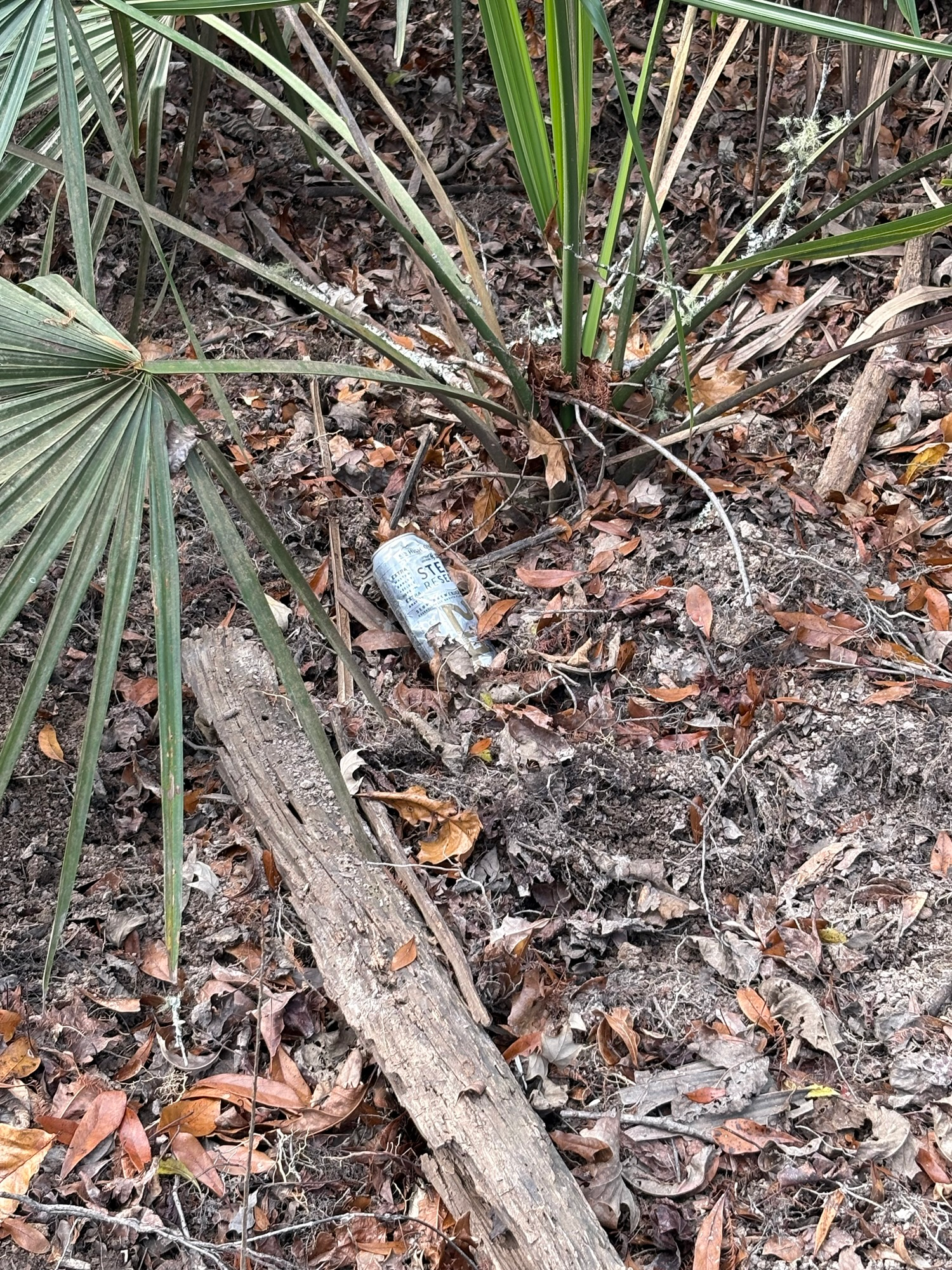
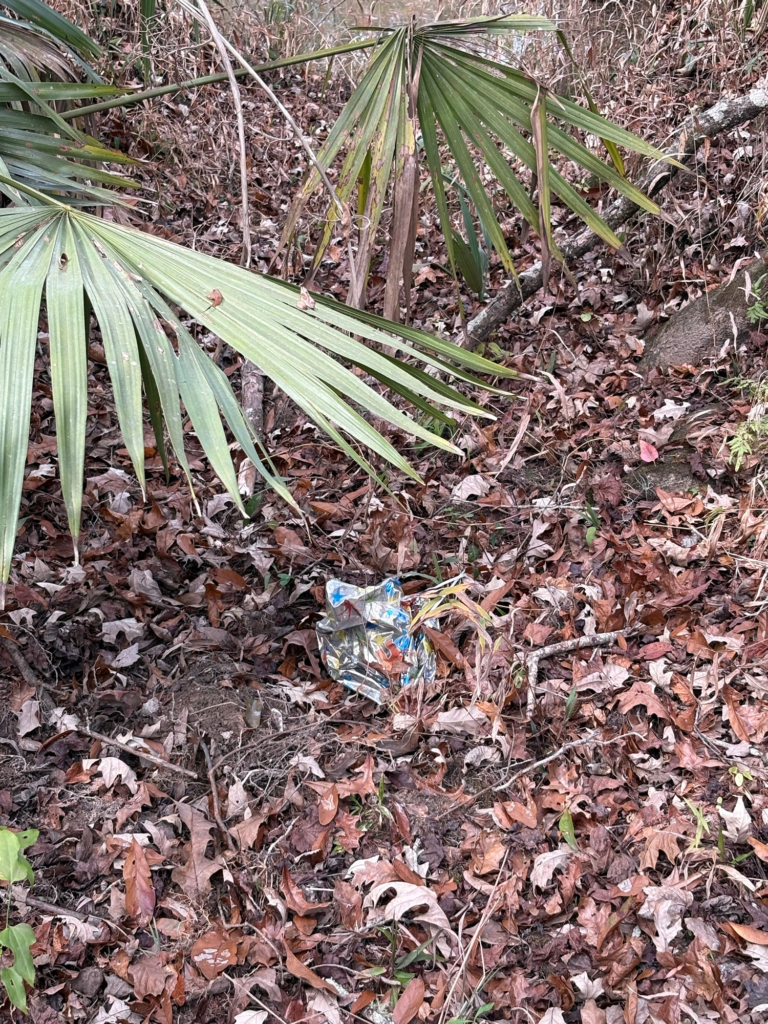
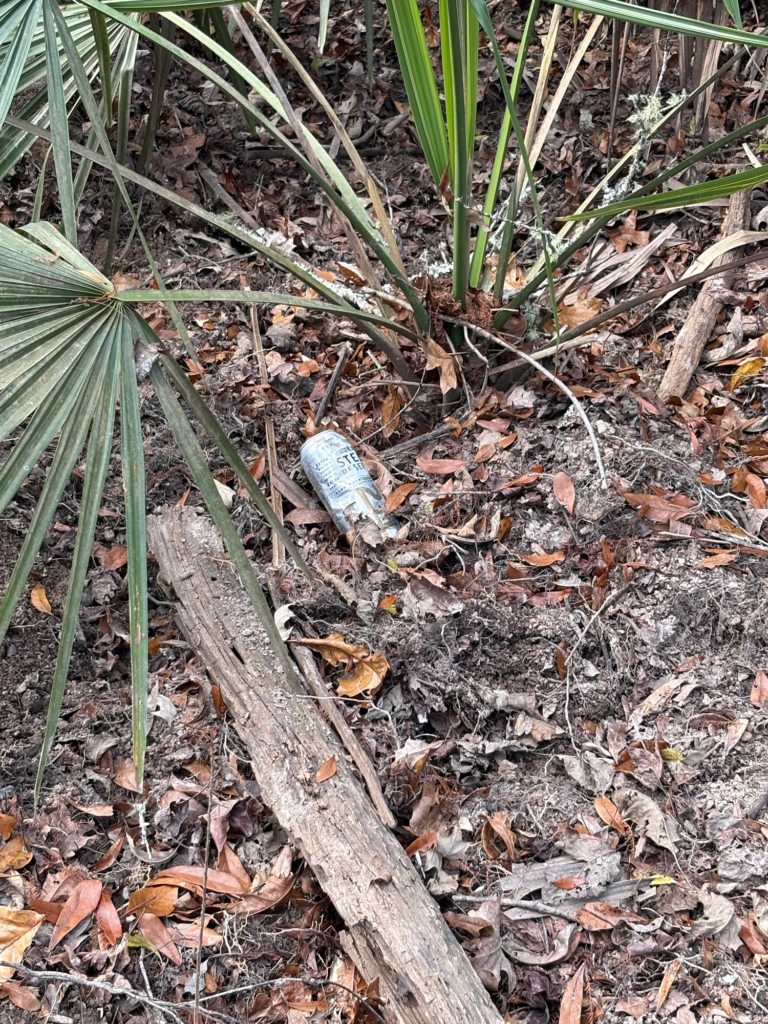
Every trip onto public land tells the same story if you are willing to look. Food wrappers tucked into the grass. Sandwich bags blown into the timber. Empty beer cans left in the marsh like they are part of the landscape. Not dumped by truckloads. Just one here. One there. Enough that you notice them every time.
That is the problem.
This is not industrial pollution. It is casual neglect.
A granola bar wrapper seems small. A single beer can does not feel like much. But multiplied across thousands of users, across seasons and years, it adds up fast. What starts as a convenience becomes contamination. What feels harmless becomes habitual.
And unlike habitat loss or budget shortfalls, this part of the conservation problem is completely within our control.
No policy change fixes this. No new program cleans it up overnight. It comes down to personal responsibility. The same responsibility we claim when we talk about being conservation minded outdoorsmen.
If we are willing to carry coolers, decoys, extra shells, and tackle boxes into the field, we can carry out our trash. Food wrappers and beer cans do not belong on public land any more than they belong in our backyards.
A different look at conservation is realizing that preservation does not always require funding or legislation. Sometimes it just requires effort.
Public lands are not failing because we lack passion for the outdoors. They are suffering because too many of us stop caring once the hunt or the fishing trip is over.
If we want these places to remain open, accessible, and respected, conservation has to continue all the way back to the truck.
Wrapping it up
We like to think conservation is something handled by organizations, agencies, and legislation. We point to the good work done by groups like Coastal Conservation Association, Delta Waterfowl, Ducks Unlimited, and Captains for Clean Water. We talk about license dollars, excise taxes, and habitat projects funded through the Pittman Robertson Act.
All of those matters. All of it plays a role.
But none of it excuses what happens after the hunt, after the boat is loaded, after the last fish is cleaned.
A different look at conservation means recognizing that public land stewardship does not stop at the boundary sign. It does not end with a donation receipt or a logo on a hat. It continues with the small, unglamorous choices we make every time we step onto public ground.
Pick up the food wrapper. Crush the can and pack it out. Grab the trash that is not yours. Teach the guy next to you by example, not by argument.
Public land does not need more speeches about conservation. It needs more follow through.
If we want to keep access, protect habitat, and pass these places on in better shape than we found them, then conservation has to become personal. It has to be practiced, not just preached.
Because at the end of the day, the future of our WMAs, boat ramps, and marshes will not be decided by how much we talk about conservation.
It will be decided by how we treat the ground beneath our boots on the walk back to the truck.